
What buyers usually mean when they ask for PDS Tech support
PDS Tech is the sort of shorthand that tends to surface when a sourcing manager, engineer, or product lead is trying to keep a project moving without turning the whole program into a custom development science fair. In practice, buyers use the term to point to technical product development support, prototyping, production planning, and the manufacturing discipline needed to turn an idea into something that can be quoted, sampled, and built at scale.
That matters because many product programs fail in the middle, not at the concept stage. The design looks fine on paper, but the materials are awkward to source, the packaging is inefficient, or the factory cannot hold the same standard from the first sample to the 10,000th unit. For teams looking at rugged vehicle computers, a construction machinery display, or other hardware for demanding environments, those gaps show up quickly. A good PDS Tech workflow is supposed to reduce that risk.
Hanlin Industrial Co., Ltd. is a useful reference point here because its OEM/ODM model is built around the full manufacturing cycle: product design and development, material sourcing, sampling, mass production, quality control, customized packaging, and shipping support. The company’s background is in bags and related consumer products rather than electronics, so the analogy is not exact. Still, the underlying production logic is familiar to any buyer who has had to manage industrial sourcing with limited time and very little tolerance for error.
The practical problem: turning a concept into a buildable product
The real reason people look for PDS Tech capabilities is not novelty. It is control.
A product team may have a spec sheet, a reference sample, or a rough target cost. What it does not always have is a clean path to production. Someone has to decide which materials are actually workable, which details will complicate assembly, how the prototype should be tested, and where the project can be simplified without damaging performance. That is the gap between design intent and manufacturing reality.
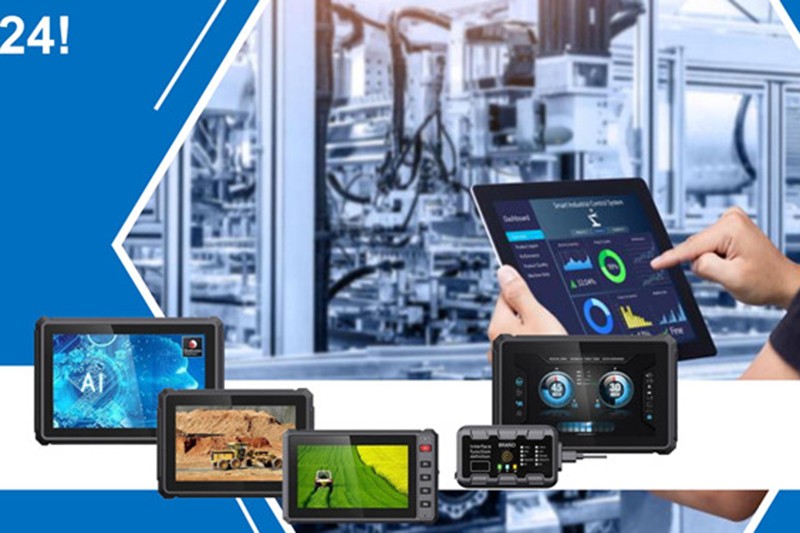
For buyers in industrial or transport-related categories, that gap can be expensive. A rugged vehicle computers program, for example, may need durability, stable enclosure construction, reliable packaging, and repeatable quality checks. A construction machinery display may face vibration, heat, dust, and handling stress. Even when the electronics are handled by a specialist supplier, the broader lesson remains: the industrial buyer needs a development partner that thinks about manufacturability early.
This is why OEM/ODM suppliers with in-house design studios and sample development teams often win business. They are not just filling orders. They are helping make the product buildable.
What an OEM/ODM partner should actually contribute
A good PDS Tech-style partner should do more than say yes to every request. The best ones are selective in a useful way. They point out what is feasible, what is risky, and what should be tested before production locks in.
Hanlin’s published capabilities suggest a fairly complete service chain for its segment:
- Product design and development
- Material sourcing
- Sampling and prototype production
- Mass production
- Quality control and inspection
- Customized packaging
- Global logistics support
That structure matters because each stage affects the next one. A nice sample that cannot be reproduced at volume is not a success. A cost-effective material that creates quality drift is not a bargain. And packaging that looks good but increases freight damage or storage waste can quietly erode margin.
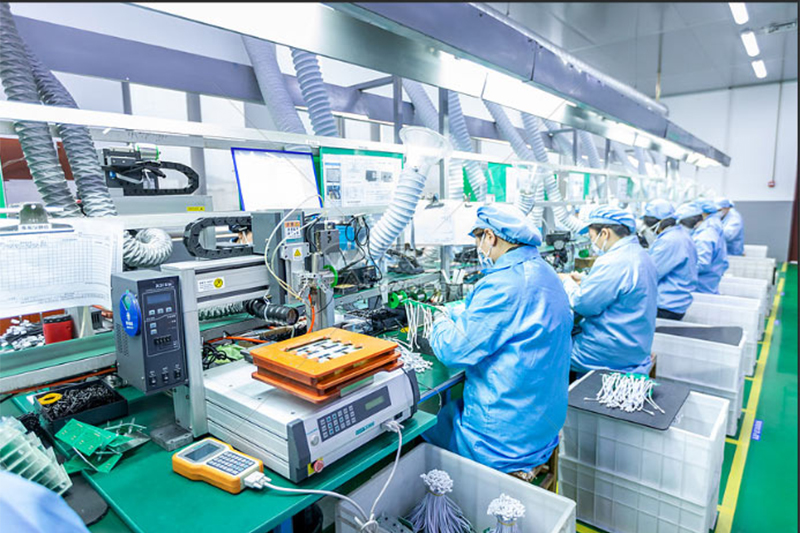
The company also highlights in-house design studios, 100+ new samples weekly, 500+ skilled employees, and an 80,000+ unit monthly capacity. Those figures are specific to Hanlin’s business and product categories, so buyers should not assume they transfer to another industry. But they do indicate a factory system that is built around throughput, iteration, and repeatable work rather than one-off custom jobs.
Where this thinking shows up in industrial and vehicle-facing products
Even though Hanlin’s core business is not electronics, the logic of PDS Tech is highly relevant to adjacent industrial categories.
Rugged vehicle computers
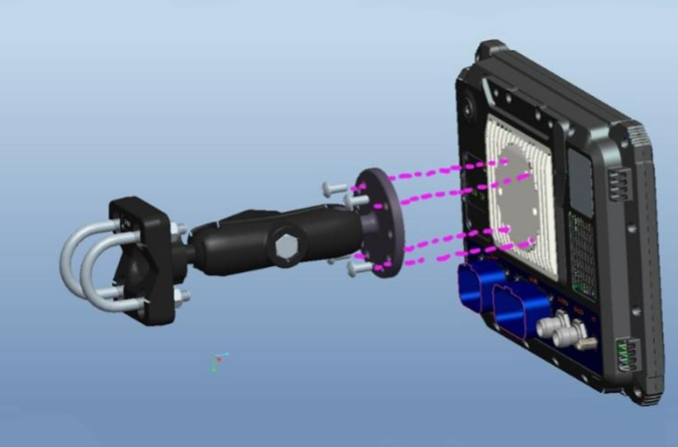
These products are expected to survive harsh working conditions and remain usable in real-world fleets. Buyers usually care about enclosure strength, mounting practicality, visibility in changing light, and supply consistency. A sourcing partner that understands prototype discipline can help reduce field issues by making sure the design is realistic before volume production begins.
Construction machinery display
Displays for construction equipment must often balance readability, housing durability, and long-term procurement stability. In these programs, packaging, handling, and transport protection are not afterthoughts. They are part of the product’s reliability story. The buyer who overlooks that detail may save pennies and lose units in transit.
How to evaluate a PDS Tech supplier without getting distracted by presentation
Most buyers can tell within one meeting whether a supplier sounds polished. The harder question is whether the supplier can support the whole product journey. That requires looking past the brochure language.
A practical evaluation usually comes down to four things:
1. Development discipline
Ask how the supplier moves from concept to sample, and how revisions are handled. A disciplined team can explain what changes were made, why they were made, and what the result was.
2. Material control
Material sourcing is where many projects drift. Good suppliers maintain material libraries or established sourcing channels, which speeds up iteration and reduces the chance of inconsistent inputs.
3. Quality control
Look for inspection steps that are real, not decorative. The supplier should be able to describe when quality checks happen and what is verified before shipment.
4. Production stability
Capacity is only useful if the supplier can hold quality while scaling. Hanlin’s monthly output and long-term export experience suggest a production-oriented organization, which is the kind of operating environment buyers usually want when repeat orders matter.
Common mistakes buyers make when they under-specify the project
The most common error is treating development like a quotation exercise. Buyers ask for a price before they have clarified the material, structure, packaging, and shipping assumptions. The result is a misleading quote and a disappointing sample.
Another mistake is assuming a supplier can “figure it out later.” That often leads to rushed revisions, avoidable delays, and more expensive tooling or packaging changes after the design has already been approved.
A more subtle problem is overbuilding the first version. Engineers and sourcing teams sometimes add features or premium materials that look sensible in the conference room but are hard to scale. The better approach is to define the minimum viable industrial version, then build from there.
What Hanlin’s model suggests for buyers looking for a manufacturing partner
Hanlin Industrial Co., Ltd. positions itself as an OEM/ODM solution provider with long-term export experience, a large workforce, in-house design capability, and a full service flow from concept to shipment. For buyers in apparel, bags, private label, and related categories, that kind of setup is especially useful because it reduces handoffs and keeps the same team involved through sampling and production.
There are also operational details that matter to industrial buyers more than they sometimes admit. Transparent communication, confidential design protection, packaging decisions, and export logistics all affect whether a project arrives on time and in usable condition. Hanlin explicitly highlights those areas, which is usually a good sign that the company understands the commercial side of manufacturing, not just the factory floor.
For buyers evaluating suppliers around PDS Tech-style development work, the takeaway is simple: look for a partner that can explain the build process in plain language and does not hide behind vague capability claims.
Questions to ask before you commit to a development run
Before you move forward, ask the supplier a few direct questions:
What happens between the first drawing and the first sample?
Which materials are standard, and which require special sourcing?
How do you handle revisions after prototype review?
What inspection steps happen before shipment?
Can packaging be adapted for export or retail use?
How do you keep the production result consistent across repeat orders?
If a supplier answers these clearly, you are probably dealing with a team that has real operational depth. If the answers stay vague, the project may be more fragile than it looks.
FAQ: quick answers for sourcing teams
Is PDS Tech a product category or a service model?
In buyer use, it is closer to a service model. It usually refers to technical product development support rather than a single finished product type.
Why does OEM/ODM matter so much here?
Because the supplier is not just making items. It is shaping the product for manufacture, which affects quality, cost, and timing.
Can one supplier handle design, sampling, and production?
Yes, if the supplier is structured for it. Hanlin’s business model is built around that integrated flow, which is one reason buyers often prefer a full-service partner.
What should I watch out for first?
Watch for weak material control, unclear revision handling, and promises that sound bigger than the production system behind them.
A sensible next step for buyers
If you are evaluating a PDS Tech-style supplier, start with the project brief, not the price sheet. Define the product purpose, the target environment, the packaging expectations, and the volume outlook. Then ask the supplier to map how they would move from sample to production.
For teams that want a manufacturing partner with structured OEM/ODM support, Hanlin Industrial Co., Ltd. is open to worldwide inquiries and offers the kind of integrated production flow that can be useful when design, sourcing, and shipment all have to line up at once. The address, contact details, and export support listed by the company make it straightforward to begin a conversation, which is often the best first test of a supplier anyway: can they respond clearly before the project gets complicated?