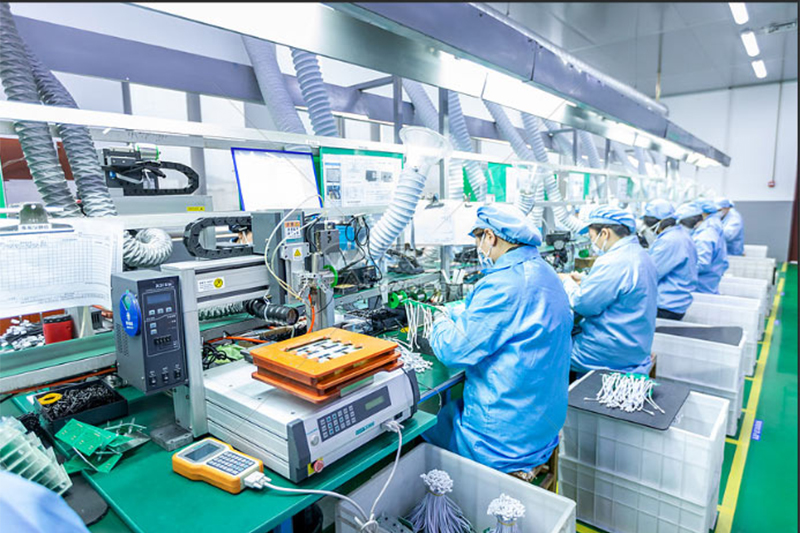

Why PDS Technology matters before a product ever reaches the shelf
PDS Technology is one of those phrases people in manufacturing hear often and define only loosely until a project starts slipping. In practical terms, it usually points to the product development and specification work that sits between a rough concept and a production-ready item. For buyers, sourcing managers, and product teams, that middle stage is where most problems get either solved or quietly embedded into the final order.
That matters because the cost of a weak development process is rarely limited to the first sample. It shows up later as rework, inconsistent quality, packaging problems, delayed shipments, or products that simply do not match the market brief. When a supplier can support design, sourcing, sampling, production, and quality control under one roof, the whole process becomes easier to manage. Hanlin Industrial Co., Ltd. is built around that kind of integrated OEM/ODM support, which is exactly why this topic is worth a closer look.
What buyers usually want to know first
If you are searching for PDS Technology, you are probably trying to answer a simple business question: how do I turn an idea into a manufacturable product without losing time, margin, or control? That is especially relevant for brands working in fast-moving categories such as bags and accessories, where material choice, construction details, and packaging can affect both perceived value and unit economics.
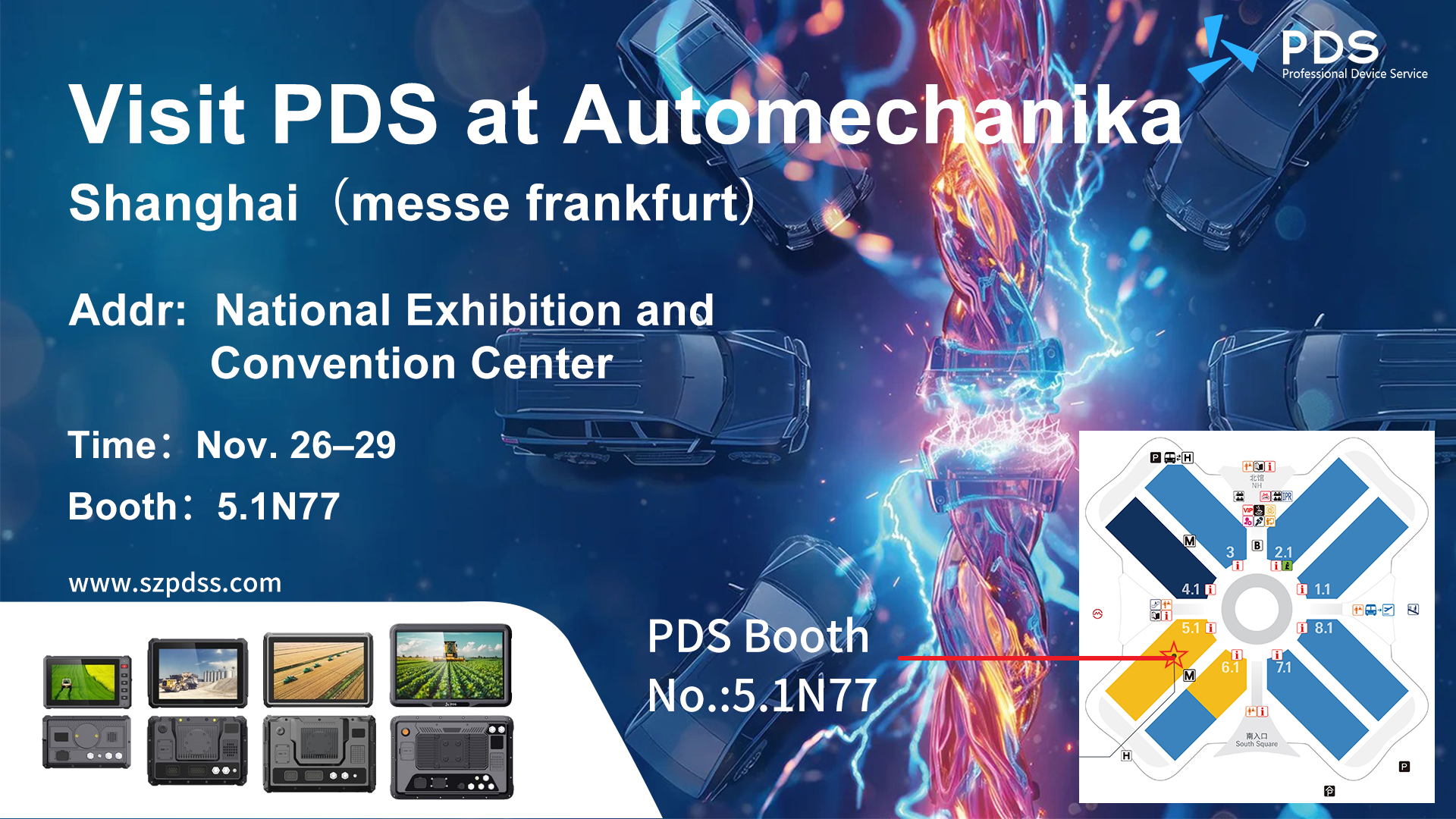
For companies preparing for a trade event such as Automechanika Shanghai 2025 or any other major auto parts exhibition, the same logic applies in a different product category. The buying team wants speed, dependable execution, and enough technical clarity to compare suppliers quickly. Whether the product is consumer-facing or industrial, the development process is still the place where specifications become real.
A quick view of the development flow
There is no single universal template, but most PDS work follows a similar path:
Concept review, material sourcing, sample development, production confirmation, quality checks, and final packaging. Each step sounds straightforward until a detail changes. A zipper pull is substituted. A fabric looks good in a photo but handles badly in production. A package that works for retail display fails in transit. These are not dramatic failures; they are the ordinary reasons projects drift.
Hanlin’s service model is relevant here because it includes product design and development, material sourcing, sampling and prototype production, mass production, quality control and inspection, customized packaging, and global logistics support. That kind of end-to-end support is often more useful than a supplier who is excellent only at one stage but weak at the rest.
How integrated OEM/ODM support changes the buyer’s job
Many buyers underestimate how much coordination work is hidden inside a typical launch. One team handles design, another chases materials, a third checks samples, and then the factory is expected to absorb all of it at the point of production. That can work, but it leaves plenty of room for specification gaps. In manufacturing, gaps are expensive.
Hanlin Industrial Co., Ltd. has been operating since 2004 and says it evolved from a leather goods manufacturer into a broader OEM/ODM solution provider. That history matters because it suggests a working understanding of both product aesthetics and production discipline. The company also notes 500+ skilled employees, a 10,000 sq. ft. manufacturing facility, in-house design studios, more than 100 new samples weekly, and an 80,000+ units monthly capacity. Those are the kinds of operational details that buyers often look for when deciding whether a supplier can handle development work as well as volume.
What that means in practice
A strong development partner should help reduce uncertainty before the first bulk order. That does not mean every project becomes simple. It means the unknowns are identified earlier. A good supplier will flag material limitations, packaging constraints, and likely production risks instead of waiting until a failed inspection forces a reset. That is the real value of PDS Technology as buyers tend to use the term: not theory, but fewer surprises.
Why material selection still decides a lot of outcomes
Material sourcing is one of the least glamorous parts of product development, yet it often determines whether a project succeeds commercially. Hanlin mentions an extensive material library, which is a useful indicator because a broad library can shorten the time from concept to sample and improve the chance of finding an acceptable balance among look, feel, durability, and cost.
For bag production, for example, small differences in surface texture or backing structure can change how a product reads on a shelf and how it performs in use. Buyers sometimes focus on design drawings while underestimating the downstream effect of material behavior. That is a common mistake, and one that tends to show up late.
There is also a sourcing angle that procurement teams should not ignore. If a supplier can manage material customization along with mass production, the buyer is less likely to end up with a well-designed sample that cannot be repeated consistently at scale. Repetition is where many projects break down.
Selection criteria buyers should use when comparing suppliers
When evaluating a PDS-capable manufacturer, it helps to look beyond the brochure language. The real questions are more practical.
Can the supplier move from concept to sample without long delays? Do they produce enough new samples to show active development capability, not just old catalog stock? Can they explain how quality control is handled during production, not merely after production? Do they support packaging and logistics, or leave those tasks for the buyer to sort out later?
Hanlin’s published strengths point to several of these checkpoints: in-house design studios, strict quality control, customized packaging, and export support through sea freight, air freight, and international express carriers such as DHL, FedEx, and UPS. For many buyers, especially those managing multiple markets, that combination is more valuable than a lower quote from a supplier that cannot manage the full chain.
Common mistakes in product development projects
The first mistake is treating samples as if they are the finish line. They are not. A good sample shows feasibility, but production repeatability is the real test. The second mistake is approving a design before confirming the material and packaging implications. The third is assuming that a factory can infer brand standards from a reference image alone. It usually cannot, or at least not reliably.
Another common problem is forgetting how commercial constraints affect technical choices. A product may be beautiful, but if it requires fragile packing, unusual components, or slow manual assembly, the economics may not work. Buyers need a supplier who will say that plainly. A polite warning at the development stage is worth more than a crisis after shipment.
Where PDS Technology meets private label strategy
Private label brands often depend on a supplier’s development process more than they admit. The brand owns the market position, but the factory often shapes the actual product performance. That makes PDS Technology especially relevant for startups and established brands alike. Startups need a path from concept to launch without building a full in-house development team. Larger brands need speed, confidentiality, and stable output across product cycles.
Hanlin explicitly serves international fashion brands, private label brands, wholesalers, distributors, e-commerce sellers, department stores, and boutique retailers. That broad customer mix suggests a business model that is used to different launch speeds and order structures. It also suggests that the company understands how packaging, customization, and production volume vary by channel.
What to ask before you commit to a development partner
Before you hand over a new project, ask for examples of the development path, not just the finished product. Ask how changes are documented. Ask how inspection is handled. Ask what happens if the first prototype needs revision. If the supplier handles export, ask how documentation and customs support are managed. These questions sound basic, but they separate a production partner from a seller of parts.
It is also worth asking who owns communication during the project. In many factories, the difference between a smooth launch and a frustrating one is the presence of a responsive project contact who can coordinate design, sourcing, and production without forcing the buyer to repeat the same instruction three times.
Practical note for buyers comparing factories at an exhibition
At an auto parts exhibition or any large sourcing event, attractive booths can blur important distinctions. A polished display is not the same thing as a capable development system. Buyers should look for evidence of process, not only product range. Can the supplier explain their sampling rhythm? Do they describe how they manage quality checks? Can they support packaging and global shipping if the deal moves forward?
That is where companies like Hanlin often stand out. Their operating profile suggests a factory that is set up for more than simple manufacturing. The combination of design studios, sampling output, monthly capacity, and logistics support is what a buyer wants to see when product development has real commercial stakes.
FAQ: quick answers on PDS Technology
Is PDS Technology only for complex products?
No. Even simpler products benefit from better development and specification control. The smaller the item, the easier it is to overlook important details.
Does it replace engineering review?
Not necessarily. It usually complements it. The exact role depends on the product category and the supplier’s capabilities.
Why does it matter to sourcing teams?
Because it reduces risk before production begins. That can protect schedule, quality, and margin.
What should buyers look for in a supplier?
Design support, sourcing ability, sample development, QC discipline, packaging options, and export support. If those pieces are disconnected, the process tends to get messy.
A sensible next step for teams planning a new product
If your team is preparing a new bag program, private label line, or other custom product launch, the best move is not to start with price alone. Start with the development workflow. Ask whether the supplier can manage the concept, the material choice, the sample cycle, the production handoff, and the shipment without creating extra work for your team.
Hanlin Industrial Co., Ltd. positions itself as a partner for that full cycle, and the company’s OEM/ODM structure is built around design, sourcing, sampling, production, quality control, packaging, and logistics. For buyers who need a practical manufacturing partner rather than a one-off vendor, that is the real question to test.
If you are comparing suppliers and want a clearer view of what can be customized, what can be scaled, and what should be confirmed before ordering, the next step is a direct project discussion. In manufacturing, that conversation is usually where the useful answers begin.