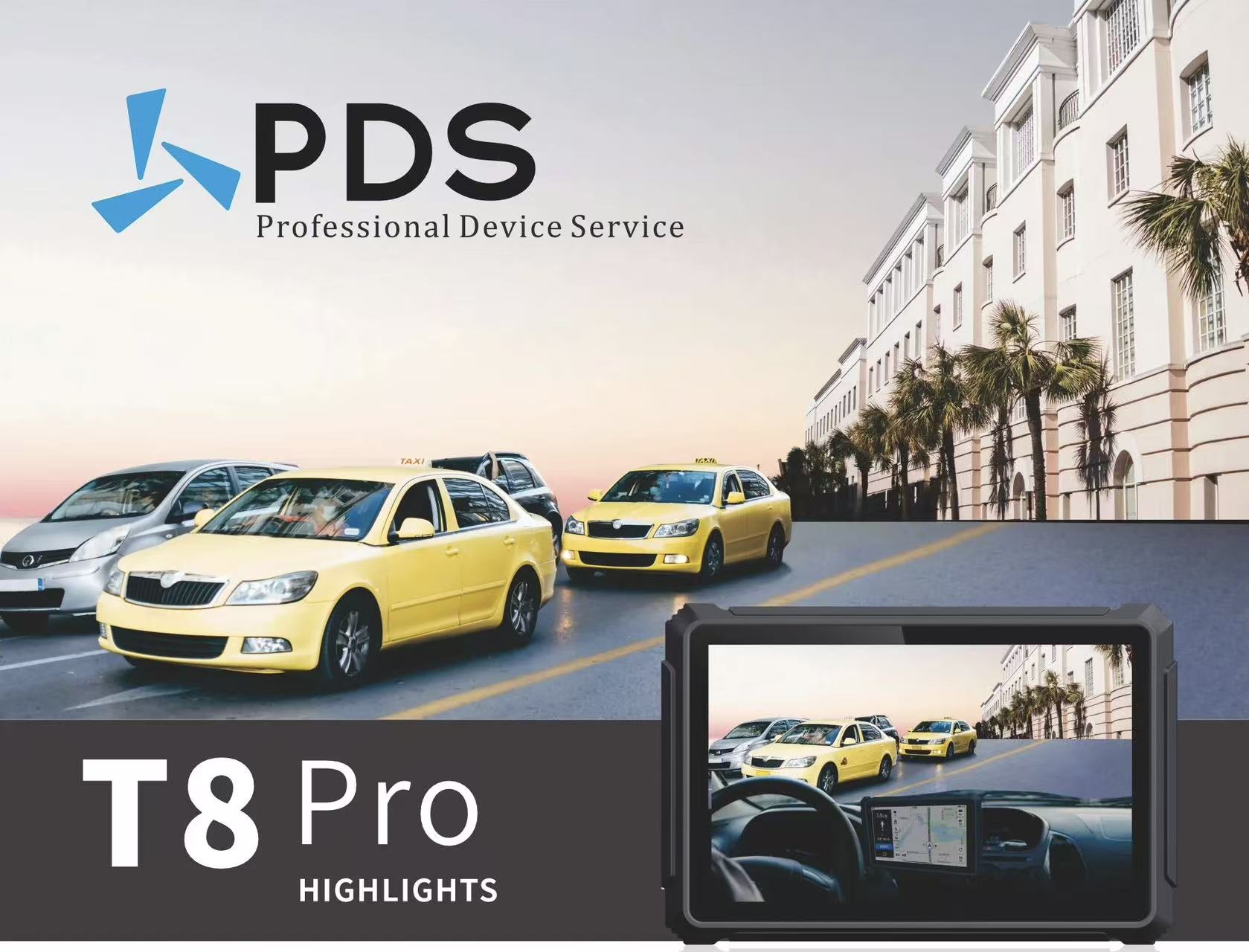
Digital construction brings positioning, machine data, and project information into everyday equipment operation. For operators, these capabilities come together through the terminal inside the cab. Its display, computing performance, and connections determine how effectively they can interact with the application.
A rugged vehicle tablet for construction machinery must fit the machine as well as the software. PDS Technology’s T8 excavator application demonstrates this role: a dedicated in-cab display and control terminal integrated into a customer’s construction system.
The Challenges of Bringing Digital Systems into Construction Machinery
Construction equipment operates in environments that place demanding requirements on electronic hardware. Installing an application in an excavator, grader, or bulldozer involves more than adding a screen.
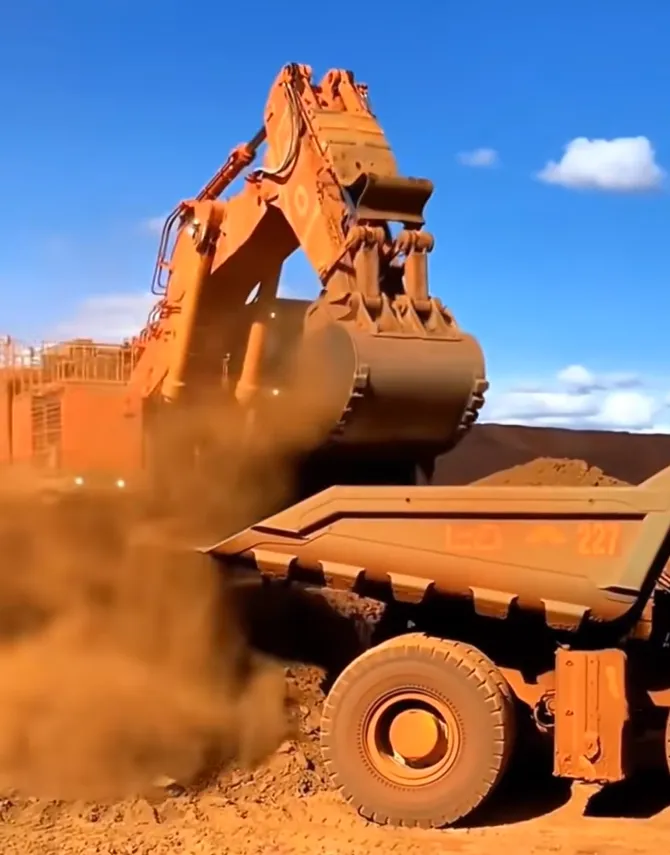
Vibration, dust, and demanding working conditions
Earthmoving equipment experiences vibration during travel and operation. Dust surrounds the machine, and temperature and moisture conditions change throughout the working day. The terminal, its mounting arrangement, and its connections must suit this environment.
Limited cab space and changing light
The operator already works with machine controls and needs a clear view of the work area. An additional display must fit into that space without interfering with routine operation. Daylight entering the cab also makes display brightness and viewing position important.
Multiple devices and data connections
A digital construction system brings together positioning equipment, sensors, controllers, and application software. Each component has its own connection requirements. The terminal must provide the computing environment and interfaces needed to make the operator application work within that system.
Different requirements across machines
An excavator guidance interface differs from a compaction monitoring application. Cab dimensions, power arrangements, mounting points, and software requirements also vary. Equipment manufacturers need hardware choices that accommodate these differences.
How PDS Addresses These Requirements
PDS supplies rugged vehicle tablets that combine a touchscreen, onboard computing, vehicle power input, and connections for system integration.
For demanding installations, the T8 and T10B feature IP66-rated enclosures and support 9–36 V DC power input. Their high-brightness displays support use in vehicle cabs exposed to changing ambient light. The 8-inch T8 and 10.1-inch T10B give integrators two display sizes to assess against cab space and application layout.
The terminal also provides a platform for the customer’s software. Through the selected interface configuration, it connects with the equipment used by the application and brings the operator’s information and controls onto one screen.
PDS works with equipment manufacturers and solution providers to match the hardware to the project. Screen size, operating system, connection requirements, positioning architecture, and mounting arrangements are considered together during integration.
A Real Application: PDS T8 Installed in an Excavator
In this customer application, the PDS T8 serves as the excavator’s in-cab display and control terminal. Mounted beside the machine’s existing controls, it provides the touchscreen interface and computing platform for the integrated construction application.
The installation brings the operator interface directly into the working environment. The customer’s software defines the information and controls available on screen, while the T8 supplies the hardware on which that interface runs.
For the system integrator, the tablet forms part of the larger machine installation. Its mounting position, power supply, and cable connections are coordinated with the surrounding equipment. The compact 8-inch format provides a practical option where the display must share cab space with existing controls.
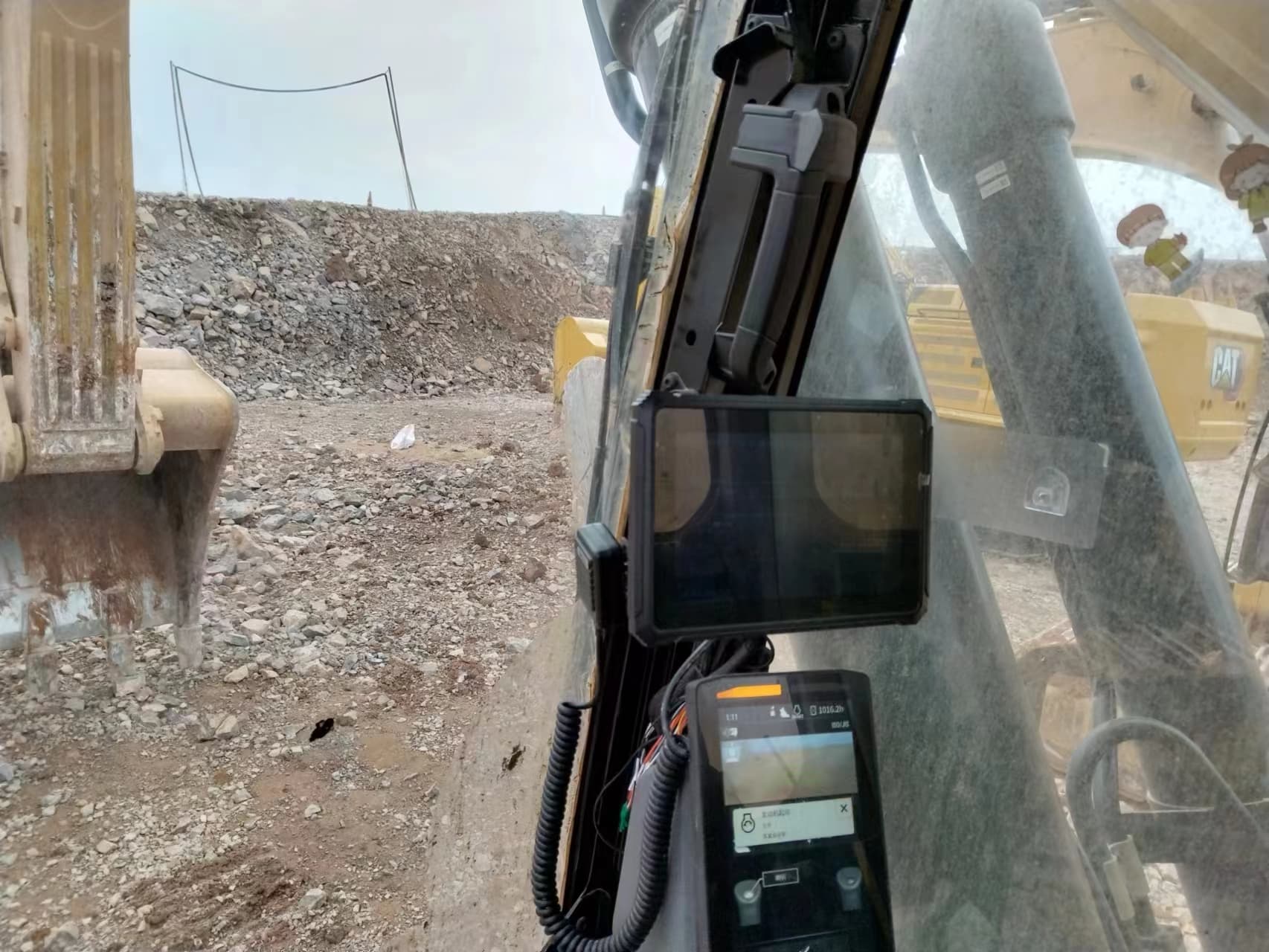
This application illustrates PDS’s role in digital construction projects. PDS supplies the rugged computing terminal, and the solution provider integrates it with the application software and associated equipment to serve the machine’s operating workflow.
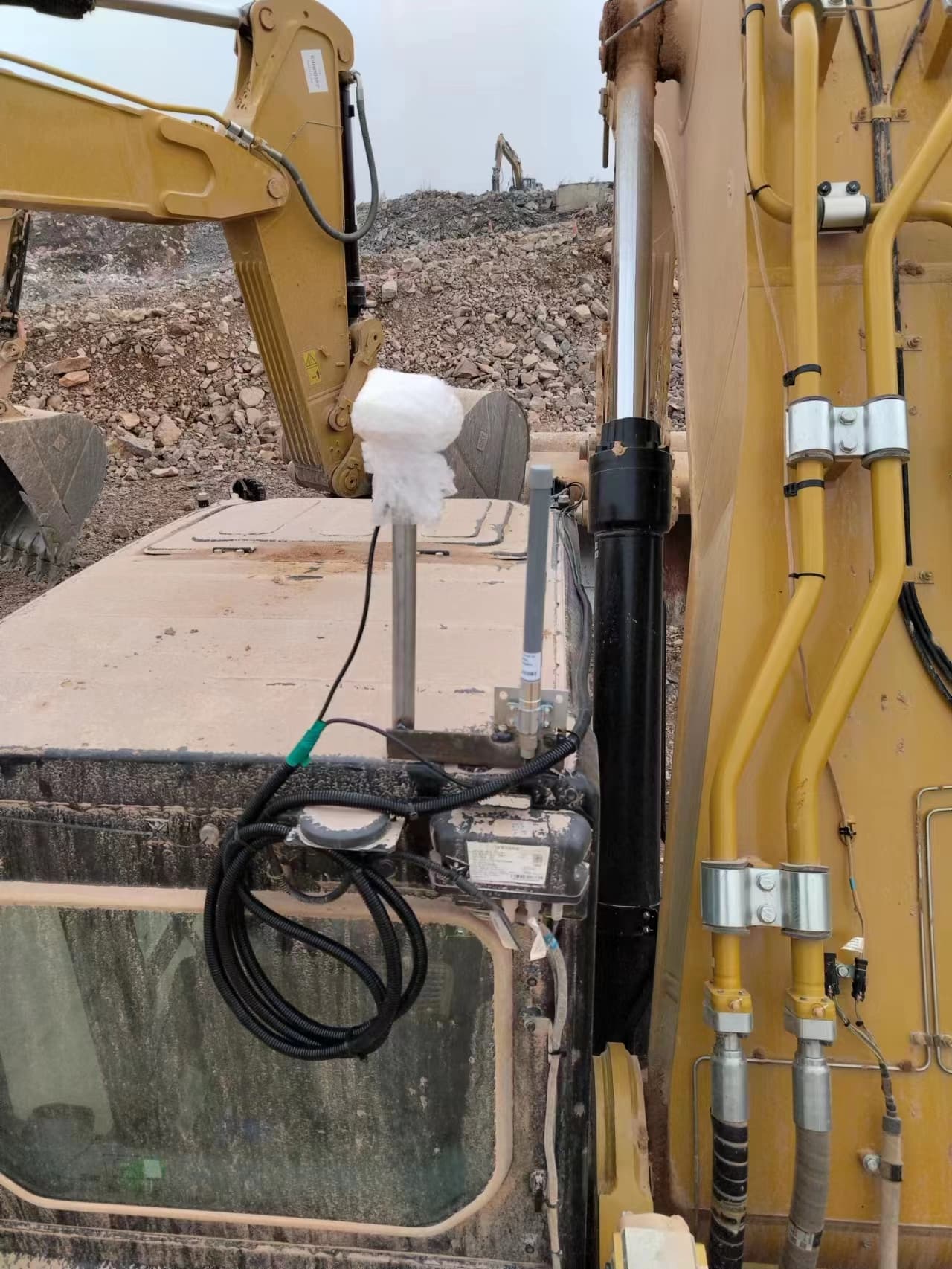
Connecting RTK Positioning to the Operator Interface
RTK positioning supports construction applications that require precise location information. In a complete guidance system, positioning data is combined with machine measurements and project information to generate guidance for the operator.
For example, an excavator guidance application uses the machine’s position, sensor measurements, and geometry to calculate the bucket’s relationship to a target surface. The terminal displays the resulting guidance and provides access to the application’s job settings.
The information passes through four main stages:
1. Positioning equipment supplies location data.
2. Machine sensors provide relevant movement and orientation measurements.
3. Application software processes the inputs against the project requirements.
4. The vehicle tablet presents the interface and accepts operator input.
The terminal is therefore the operator’s access point to the integrated system. It brings the application into the cab and provides the computing resources and connections required by the chosen architecture.
For RTK construction machinery projects, PDS helps integrators select the terminal configuration around their positioning equipment, software platform, and interface requirements.
Applications Beyond Excavators
The same approach extends to other machinery used in digital construction. Each application combines rugged computing with a machine-specific operator interface.
|
Construction machinery |
Typical application |
Role of the vehicle tablet |
|
Excavators |
Excavation and depth guidance |
Display guidance information and provide access to job settings |
|
Bulldozers |
Earthmoving and grading |
Present design information, machine position, and application controls |
|
Graders |
Surface and slope guidance |
Display blade guidance and target surface information |
|
Compactors |
Compaction monitoring |
Present coverage, pass information, and system status |
|
Piling equipment |
Positioning and construction monitoring |
Display work locations, task information, and construction records |
The application determines what the operator sees and does. The terminal selection follows those tasks, along with the machine’s physical installation and connection requirements.
For equipment manufacturers serving several machine categories, this creates a practical basis for evaluating a common family of vehicle computers while adapting display size and configuration to each application.
Choosing Between PDS T8 and T10B
PDS recommends the T8 and T10B for construction machinery projects.
The PDS T8 rugged vehicle tablet offers an 8-inch display suited to installations where cab space is an important consideration. The excavator application shows its use as a dedicated terminal alongside the machine’s existing controls.
The PDS T10B vehicle computer provides a 10.1-inch display for applications that benefit from a larger working view or additional information panels. Its hardware platform gives integrators another option for their software and peripheral requirements.
Selection should begin with the operator’s tasks. Assess the application at its intended screen size, check the proposed mounting position, and then confirm the operating system, computing resources, interfaces, and power requirements. This connects the product choice to how the terminal will actually be used.
ODM/OEM Support for Construction Equipment Projects
Some projects require a different screen size, additional functions, or a terminal designed around a particular machine.
PDS Technology provides ODM/OEM vehicle computer services to support these requirements. Development discussions cover display size, hardware functions, interfaces, software environment, mechanical installation, and branding.
Defining these requirements early gives the equipment manufacturer, software team, and hardware supplier a shared basis for development. It also helps align the terminal with the complete construction solution.
Whether you are developing an excavator guidance system or a digital application for another machine, share your equipment type, cab layout, software platform, RTK requirements, and required connections with PDS Technology. Our team can help you assess the T8, T10B, or a custom vehicle computer configuration.
Frequently Asked Questions
1. Why use a rugged vehicle tablet in construction machinery?
A rugged vehicle tablet combines computing, a touchscreen interface, vehicle power compatibility, and connections for external equipment. It provides a dedicated platform for applications used inside demanding machine environments.
2. What does the PDS T8 do in the excavator application?
The T8 serves as the in-cab display and control terminal. It provides the computing platform and touchscreen interface for the customer’s integrated construction application.
3. How does a vehicle tablet work with RTK positioning?
RTK equipment supplies positioning information to the integrated system. Application software processes that information alongside other relevant inputs, and the tablet presents the resulting guidance or positioning view to the operator.
4. Does the tablet provide automatic machine control?
Automatic control requires the appropriate control software, controllers, sensors, and machine integration. The tablet provides the operator interface and computing functions assigned to it within that system.
5. Which other machines can use PDS vehicle tablets?
PDS T8 and T10B are recommended for evaluation in bulldozers, graders, compactors, piling equipment, and other construction machinery. The selected configuration must match the application, cab layout, power supply, and connection requirements.
6. How should we choose between T8 and T10B?
Choose the 8-inch T8 when that format suits the available cab space and application. Evaluate the 10.1-inch T10B when the interface benefits from more display area. Compare the hardware platforms against your software and integration requirements before final selection.
7. Can PDS customize a terminal for our construction equipment?
Yes. PDS supports ODM/OEM projects for other sizes and functions. Provide your machine details, software platform, display requirements, interfaces, power supply, and mounting requirements to start the configuration discussion.
Contact us
📧Email:[email protected]
📞Tel:+86 13421822024
🌐Website: www.szpds.com
Disclaimer
The information in this article is for reference only. PDS Technology Co., Ltd. assumes no responsibility for errors, omissions, or suitability of the content for specific applications. Product specifications are subject to change without notice. Buyers should verify all technical details with our team before use.
About PDS Technology
PDS Technology is a leading OEM/ODM manufacturer of high-precision RTK GNSS terminals and vehicle computers, serving agriculture, construction, mining, taxi, and logistics industries since 2011.
With 15+ years of automotive-grade R&D experience, we offer rugged, multi-OS (Android/Linux/OpenHarmony) devices featuring RTK centimeter-level positioning, IP66 protection, and AI-ready performance. Our IATF16949-certified factories have produced over 100,000 units deployed globally, holding 30%+ of China's agricultural auto-steering terminal market.We export to Japan, the US, UK, Turkey, Russia, and beyond.